By now you may have gathered that I have a strong affinity for words and their definitions.
Last week, I went out to meander through some stores. The weight of what I have been processing through in the past couple of months felt especially heavy, and I have found that shopping—even just window shopping—brings a little bit of joy and relief to my heart. This time, though, there was not much respite from those feelings. Walking through the stores reminded me of the many times I had been shopping with my mother-in-law, Mary Ann. Wandering the stores together encouraging, teasing, laughing, and enjoying each other’s company (and tastes) now made the experience feel so very empty. It did not seem to matter what store I went to; they all lacked the warmth that they once held. Almost as if a foreign, yet familiar, landscape that has to be relearned—alone, in the light of grief and loss.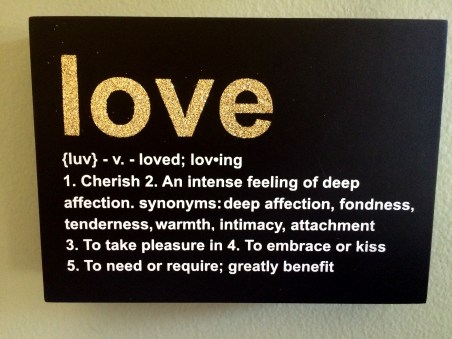
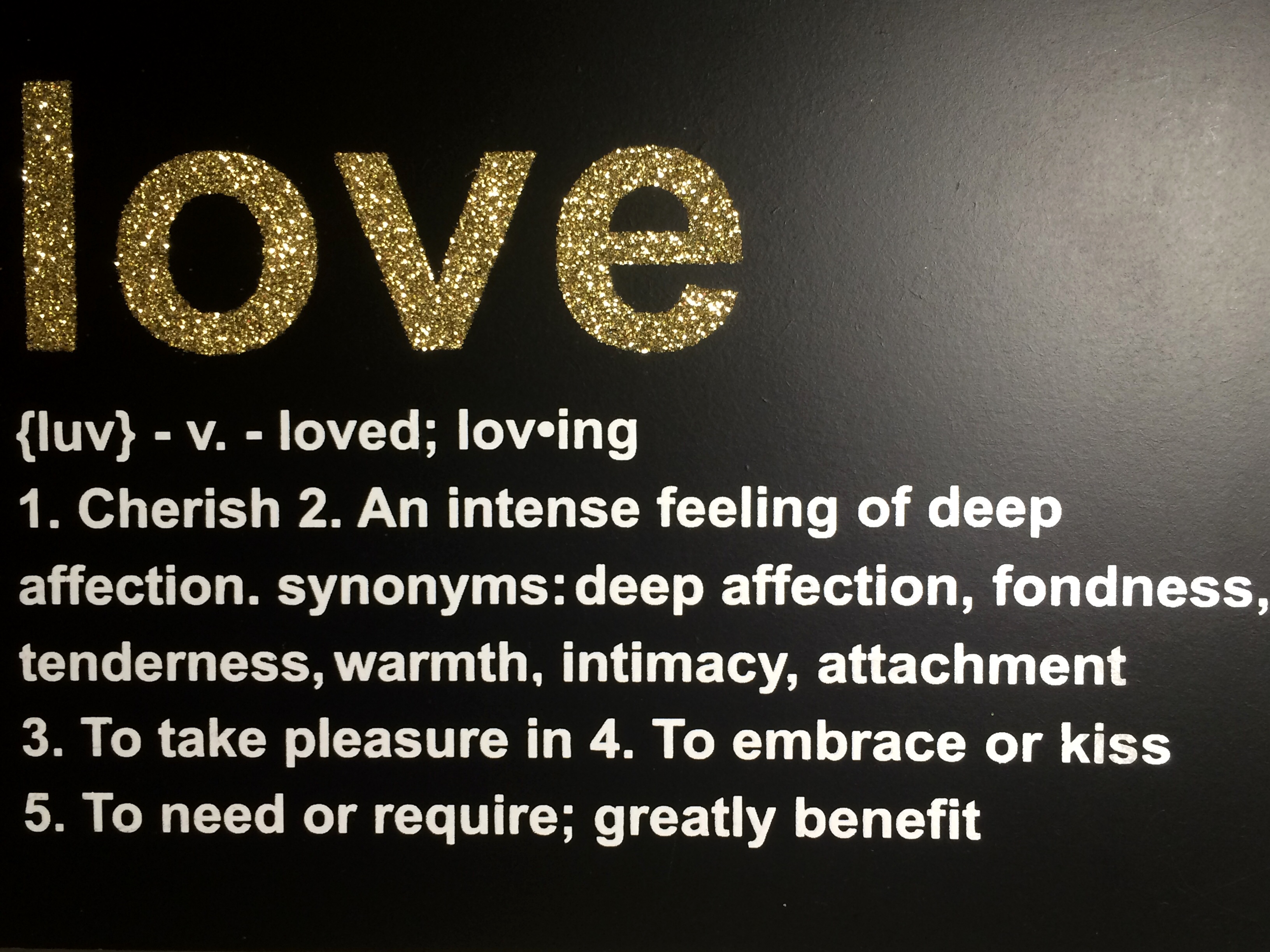
At one store, in the clearance section, I found this little sign posted above. I thought it was cute, loved the definition, and couldn’t beat the price. I also knew right where I would put it. So I bought it and took it home…
Interestingly, within moments of hanging it on my wall above my writing space, the definition be gan to speak deeply to my heart. Maybe it is all this processing of losses, prior hurts, grief, conditioned and unconditional love, where I received it and where I didn’t, how I have given it, when and where, and most importantly, do I–by its actual definition and not my own–love? Do I live well what is so easy to say?
And, I think its definition speaks to what I often crave. To be cherished. A deep fear I had with the passing of some of those who have loved me well. The kind whose eyes light up when you enter a room, whose voices convey a warm, welcoming and affectionate tone that reminds you of how much they delight in you. The ones who let you know just how much they have benefited from being with you.
This week, I came across another aspect of love and devotion worth exploring, Ezekiel 18:19-20: “Yet you say, ‘Why should the son not bear the guilt of the father?’ Because the son has done what is lawful and right, and has kept all My statutes and observed them, he shall surely live. The soul who sins shall die. The son shall not bear the guilt of the father nor the father bear the guilt of the son. The righteousness of the righteous shall be upon himself, and the wickedness of the wicked shall be upon himself.” The Bible notes attached to this scripture led me to others that encourage each person to live by God’s ways…to truly live them out, not just say we follow them. “Keep My statutes and My judgments, which if a man does, he shall live by them.” Leviticus 18:5. In doing so, such conduct, behaviors, and choices establish and prove our love for God as well as others.
Further, Ezekiel 18 notes that our love and attachment to one another, even in familial relationships, does not necessarily bind us to their sins or ways. Fathers and sons, daughters and mothers, do not pay for each other’s sin in God’s eyes; we are not cursed by the wrongs or mistakes that another has done. Nor are we trapped in generational cycles of sin with no escape. Instead, each generation is free to choose a different course. Hopefully, the right path of His ways.
One of the notes went on to state that God’s “judgments” are the judicial decisions that come up in life in situations that might not be fully explained in His statutes. New King James Study Bible, notes to Leviticus 18:4,5. The application, or non-application, of His law to the unique circumstances that will arise as life changes and morphs. Think of it this way, our legislatures pass laws that are often in response to specific needs or situations that arise at a certain time and clearly need to be governed. In those laws, they are tailored by what is seen and known, yet as time goes by, the intention might need to extend to other circumstances that later arise.
Our courts, then, interpret, expound upon, and better define the law making it even more useful to society through judicial decisions issued in case law. In addition, in many cases, judges decide that the law really doesn’t apply to the set of facts before them, and therefore, wasn’t meant to govern in that setting. In the legal arena, we look at what rules apply and then whether there are any possible exceptions; what does the rule of law cover and what falls outside of its reach. A case by case approach which determines when, if and how best to apply a law to a set of facts. It is one of the wonderful ways this country was designed to work together in a lasting and interactive way.
The scripture in Ezekiel 18, that speaks directly to the parent-child relationship, led me to ponder more deeply a part of the law laid down by God in the Ten Commandments. Specifically, the “honor thy parents” command. (Exodus 20:12). It is something known in most homes around the world, often based solely on position that a parent naturally holds as the child’s authority when born. Listening, learning, respecting and honoring our parents is taught across most cultures. It is a general rule of law in most households.
As such, it seems pretty straightforward and simple, but now let us go deeper with that general rule and consider where there might be exceptions. Exceptions!?! Is there ever?What about the circumstances of some children whose parents are not honoring God; who are instead abusing or hurting or neglecting their children and/or others? What about the parent who is even less conspicuous, who belittles, berates, ignores, manipulates, demands, uses, or deprives a child of comfort, esteem or care? The parent who is not operating in the betterment of their child but for their own gratification, ego or needs. Or, how about the one who expects perfect performance and domination in everything and every opportunity that comes in front of their child such that the child is continually and repeatedly having to prove his or her worth by achievements?
And as the child grows into adulthood, and begins to process through the reflection of moments that have spanned over a lifetime–if the heart is willing–can we brave enough to ask what does “honor” mean and when should it apply? How often, as parents or children, do we stop and look at what is being asked by us or of us and whether it really falls within “honorable”? Do we really even know what it means?
Honor involves so many things: honesty, respect, merit, integrity, fairness, esteem. www.dictionary.com. “To show a courteous regard for.” Id. On the flip side of what sounds so good and nice is part of the definition that often binds us to unreasonable expectations–easily twisted so that “honor” automatically means “to accept as valid or conform to request or demands of.” Id. No questions asked; just do it.
Lest you wonder whether it is appropriate to question about how and when to honor, let me share with you the scripture has helped me to understand that not all parental decisions come from living by His standard. Not all parental behavior or choices are right by the mere position of authority, nor does God want those behaviors duplicated in the next generation:
“But I said to their children in the wilderness, ‘Do not walk in the statutes of your fathers, nor observe their judgments, nor defile yourselves with their idols.
I am the Lord your God: Walk in My statutes, keep My judgments, and do them; hallow My Sabbaths, and they will be a sign between Me and you, that you may know that I am the Lord your God.'” Ezekiel 20:18-20
In this life, we need to understand that honoring God comes by living, keeping and doing His ways; letting His statutes, His judgments and His rest be the sign in our lives that we are His. That also means that we must turn away from any contrary influences that exist within us, even when the influence may have been passed down from our parents. A wrong or harmful pattern, or coping mechanism, that may have developed in our lives which needs to be corrected. No longer justifying its use just because we have seen someone else use it before. Not blindly accepting a method’s validity because we have watched the pattern garner a false sense of honor or control or influence.
Moreover, Deuteronomy 30:15-20 sheds additional light on our need for His words to permeate the depths of how we live our lives with each arising circumstance, rather than keeping His words taught and restricted to only exacting situations that are easy to identify, thereby limiting their influence. Yes, we always need to honor our parents, but with the understanding that there may be times when following or mirroring their choices or behaviors is not honoring God, nor really even them. Choosing to change within ourselves is the best hope for honor today and for tomorrow.
And “honor” requires that we truly comprehend the meaning behind the word. The definition speaks of honesty, integrity, doing right over wrong, building esteem, being courteous. In essence, living life His way. It doesn’t advocate that we automatically conform to someone’s commands, desires, wants or demands without weighing it on the scales of right and wrong. Understanding that this general rule calls not only for courteous treatment, but also honesty, which may mean we have to speak up as never before. Integrity goes one step further and teaches that we may need to find the courage to stop, prevent or dismantle patterns that have allowed us (and others) to be used or treated in a way that God does not condone. Honoring God and His ways first might mean finding a way to not allow our self-esteem to be torn down, or even better, becoming astute at building others up rather than knocking them down as we may have been taught.
For more clarity, let us take a quick peek at the antonyms of honor, the very words that convey the opposite of its intentions. Debasement, degradation, derision, disgrace, dishonor, disrespect, humiliation, blemish, stigma, ill repute. www.dictionary.com. But let’s get into the meatier words that we might see on a more regular basis in relationships: censor, condemnation, reproach, betray, denounce, shame, berate, criticize, disapproval, jeering. Id. Can you see how the opposite of honor can be used to give someone else power and control? Where a person might demand as they berate another that the person give them the “respect” they deserve by taking their abuse? Or someone using disapproval and shame to manipulate another into honoring an unreasonable request. Can we understand that the above words are not honorable? Would supporting such a misuse in the name of “honoring” (conforming or accepting to) another really be the intention of the rule God gave us? When wrongly using the rule of honoring that person may be fashioning their own judgments, statutes and idols that forces others to follow them. Could this misuse be why He stresses we, as His children, truly need to follow Him…to truly understand His ways? Can we really say that we are honoring God when we choose or accept one or any those wrong ways over His way?
The beautiful thing is that the scripture continues on to remind us that each day we actually do have a choice…between life and good and death and evil. Between what we have known and what He has to offer…
“See, I set before you today life and good, death and evil, in that I command you today to love the Lord your God, to walk in His ways…” Deuteronomy 30:15-16
How, why, and whether you honor someone correctly will lead to life or death in your relationships and inside of you. Being asked to continue to bear what is harmful leads to only more pain, suffering and resentment. Following and duplicating those patterns in your adult life only perpetuates pain for future generations. Today, we have the choice to become aware that what we may be being asked or told to endure by another, or what we might be imposing on someone else, may not really be about honoring in the first place. Sometimes, the poor choices of another (or ourselves) have trapped us in a prison God is trying to break us out of…
Truly, our best hope is that each day we can choose to love Him, to walk in His ways, and to keep His commandments, statutes and judgments understanding that in genuinely doing so “you might live and multiply; and the Lord your God will bless you in the land which you go to possess”. Id., verse 16. Trusting Him that stepping out and stopping negative patterns is where real honor and life is found. It is also probably the truest form of love.
Opportunities each day bring life or death, blessing and cursing. To live His word out in an active, cleansing, growing and shining way that fights and stops the misuse of connections, expectations and rules…because today He is saying there is another way. And tomorrow does not have to be dictated by yesterday. Choices that will not only lead us to a better, fuller land, but will positively impact our descendants. Decisions that illustrate you love Him, that you obey His ways, and that you “cling to Him, for He is your life and the length of your days…” Id., verse 19.
To cling is “to adhere closely to…to hold tight…to be or remain close…to remain attached to…to cohere…” www.dictionary.com (emphasis mine). Ah, and so it comes full circle. “Attachment” is one of the synonyms for “love” on my new sign. To love in such a way that we become so attached to Him that we shed the old ways and adhere more closely to His. Not ignorantly or unfairly using His rules to benefit us, but instead learning to understand when, how, where, why, and if they apply. Really, when you think about the words on that sign, how could the antonyms of honor ever convey to another that they are cherished, that tenderness exists, or that we take pleasure in their company? Where is deep affection found in berate, criticize, or denounce? How does censoring or condemning another show fondness or intimacy or that they are needed in our lives? Do those negative patterns truly attach us to another in love, or instead slowly work to break down relationships by reinforcing control, hurt and apprehension?
It is fundamental that we let His truths be lived out correctly in our lives while attributing all things to Him in praise and thanksgiving for what He is transforming in us. This love–deep, affectionate, and cherishing–should inspire us to put down ways that are not of Him, while allowing our tender need for Him to guide us on how best to honor those around us.
“For this commandment which I command you today is not too mysterious for you, nor is it far off….But the word is very near you, in your mouth and in your heart, that you may do it.” Deuteronomy 30:11, 14


 When we started making Easter baskets some eleven years ago, we were blessed to be able to actually hand them out to families and individuals at our local food pantry. We have ever since. The food pantry was largely volunteer driven and really didn’t have any volunteers to spare to hand out baskets. As a result, a door opened for us to meet those who were receiving our baskets.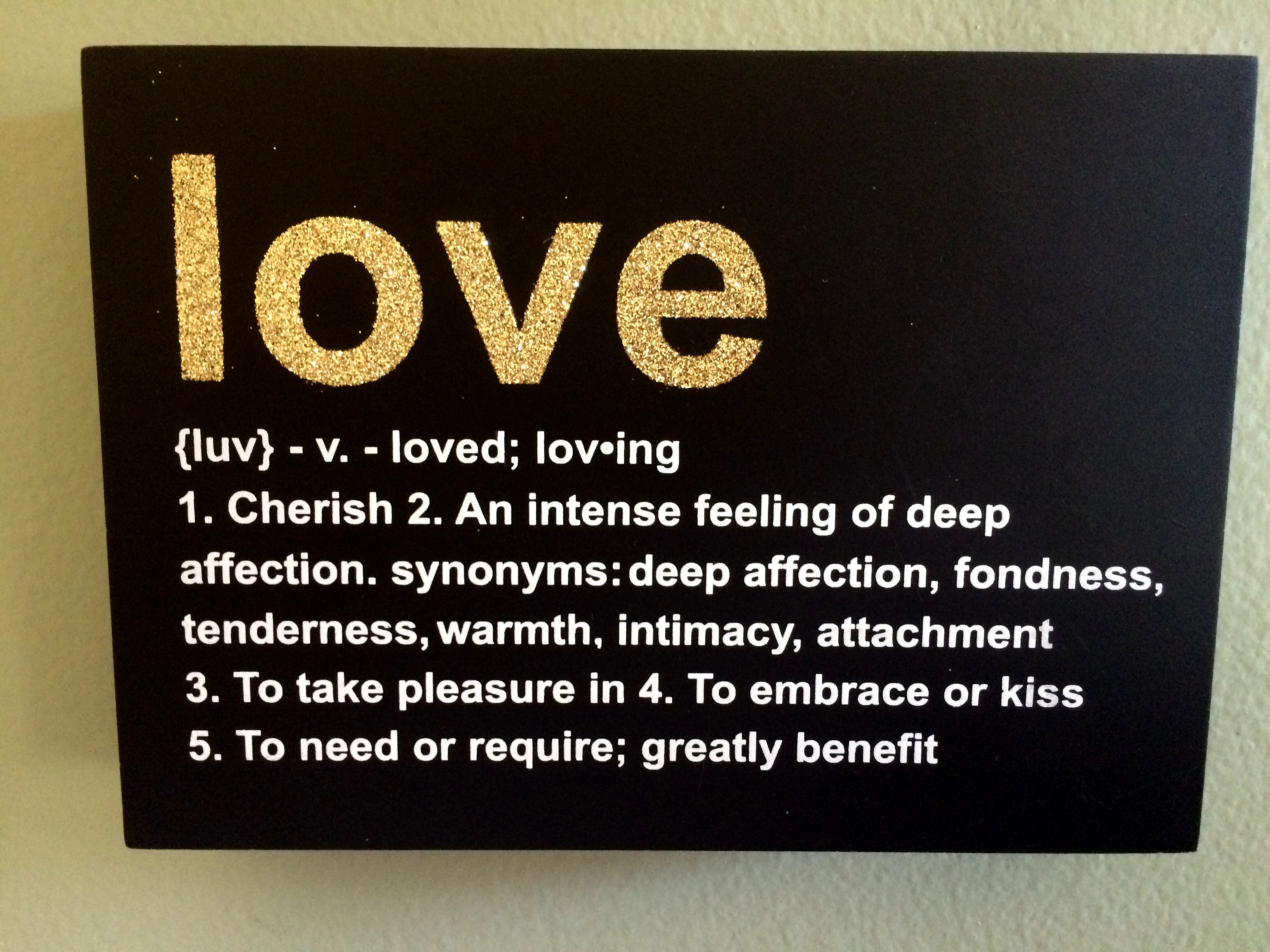





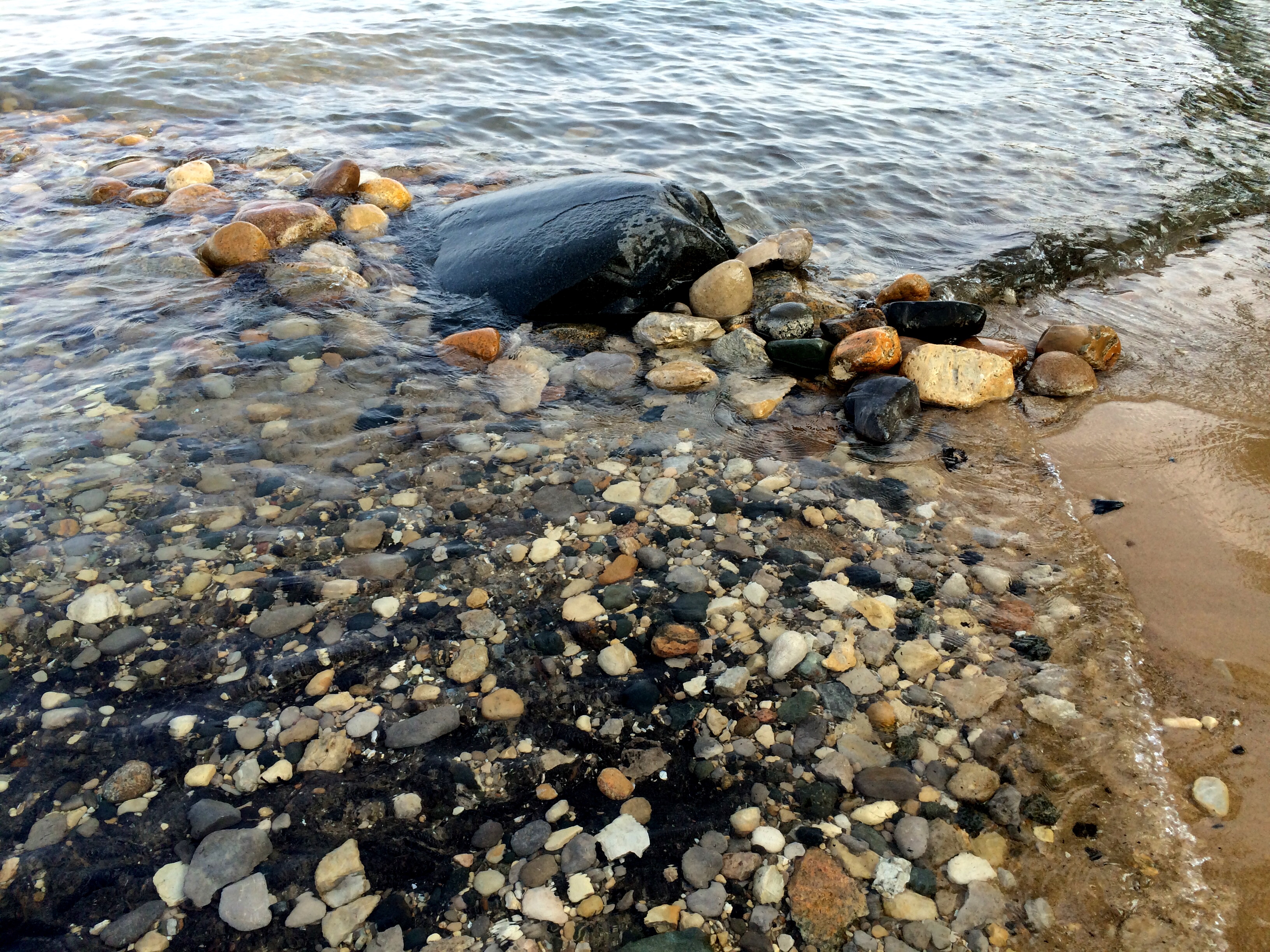
 aves would begin to grow and topple onto the shore with more vigor and power that was driven largely by the wind. By late afternoon and into early evening, as the sun dips down in the sky, the air currents begin to die off and the lake slowly returns to calm, barring a storm or windy weather pattern blowing in.
 sandy hue that blocks any stones from being seen. The cloudy water acts as a barrier to the eye keeping virtually all stones out of sight. On such a day, between the marching waves and muddied waters, there is little hope of finding anything in the shallow edges of the lake.

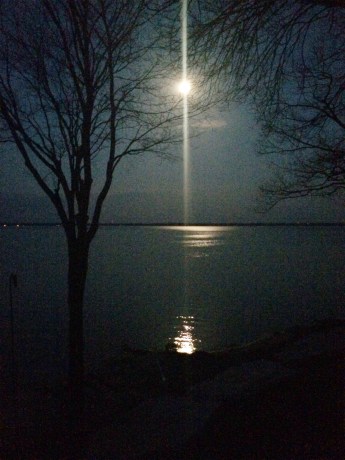 times in your day–wherever that might be. If morning is your best bet, then consider some solitude and time to begin training your eyes and mind to mine the gems of His truth. If it is evening, do the same. Whenever, wherever, but remember, when the sun rises and the day heats up, you are more likely to be battered by the normal winds of life–loosing focus, strength and desire. Life, and its often invisible currents, is demanding. Truly, there’s a reason why contemplation is encouraged in the morning…it is likely when your internal waters are the most calm, refreshed and able. It is when the winds of life generally have not yet been stirred up to blow.



 contemplated the words I was reading. The sun peaked through the clouds as I glanced occasionally at the horizon where it rose.
 that it make sense, not rushing forward dismissing what I didn’t understand, but instead waited, thinking on the different dimensions in my life that it might cover. Sure enough, with some time, I was able to see things in my life that were reflected in those words…much like when a stone has caught my eye from the water’s edge, inviting me to pick it up, to come nearer and take a closer look…maybe even make it my own.
 to spot what I was hoping for. Within moments, the brisk water was no longer cool to the touch, and the hunt became a little easier as I could truly see the rocks from the best vantage point. Hunched over the stones, I was able to look straight down at them with a renewed focus from a better angle. As I stood there, scanning for that special gem, looking for what might be new and what I may have missed the day before, I was struck by the similarity rock hunting holds to what I had just left…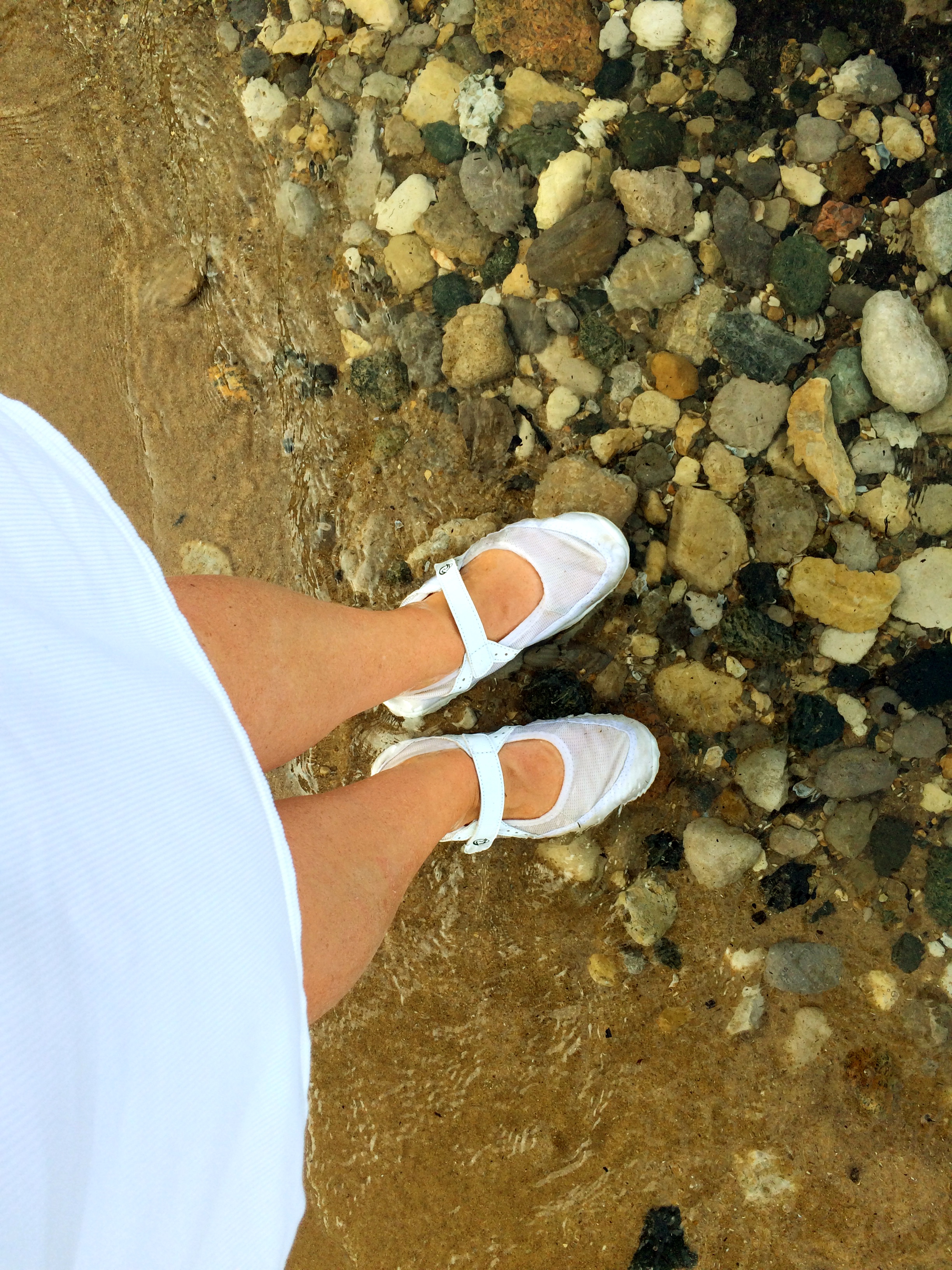
 Washing My Windows