
I personally believe that there is always something to be learned in any situation in life. That doesn’t mean that the lessons are easily absorbed or the meanings readily apparent, but I try to keep my eyes open and my heart willing to learn. I believe these lessons are available to us to the very day we die.
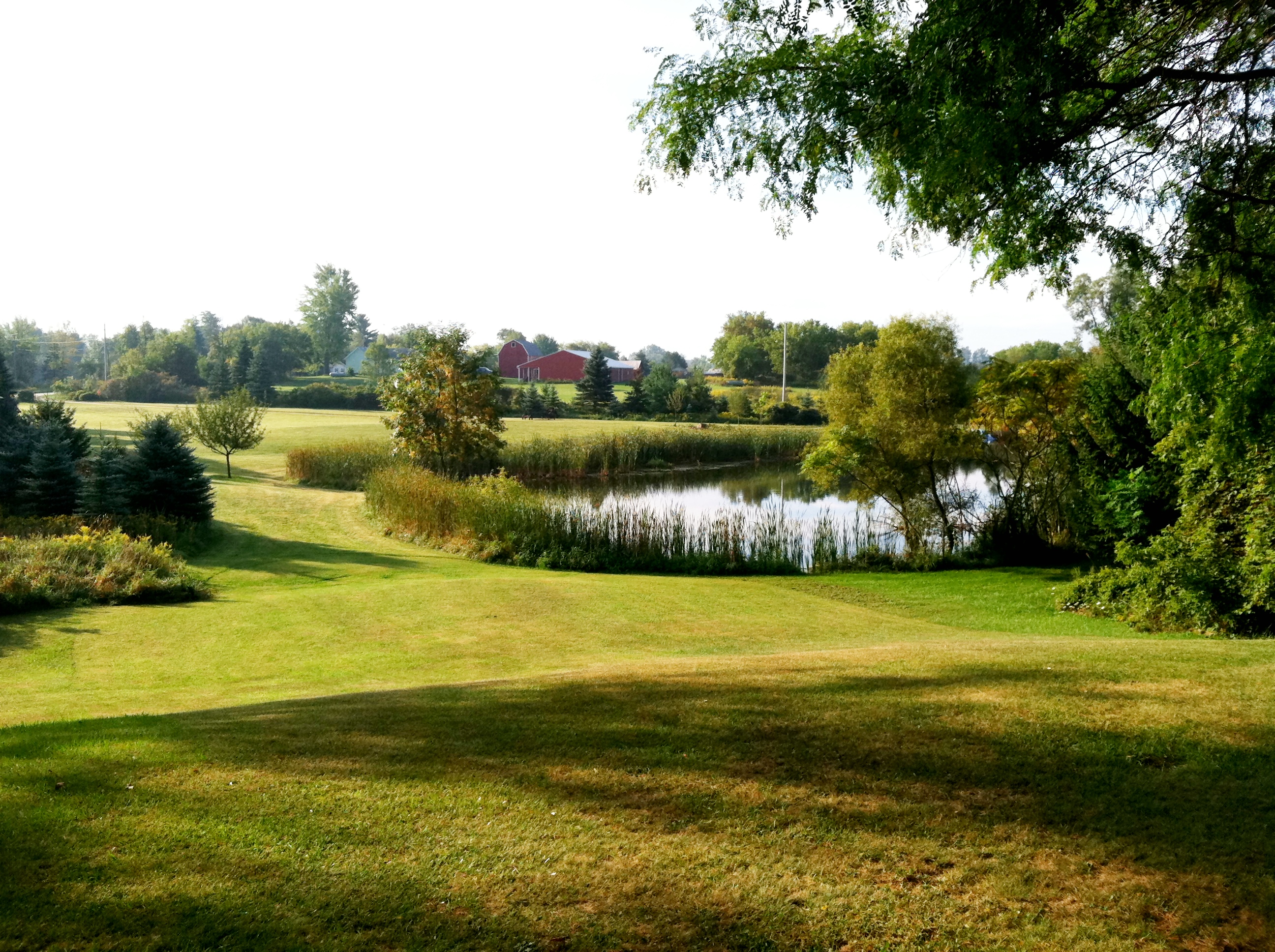 In August, my dad’s esophageal cancer reappeared in his left lung cavity. It made a startling and viscious come back that took my dad from feeling good to incapacitated with severe pain. From the get-go, my dad didn’t want to die. He loved life and he loved us. While he kept reassuring us that he wasn’t afraid to pass, his actions and fear sometimes spoke louder than his words.
Often in life, it is so much easier to avoid the pain, to speak the words that people want to hear, to put on the happy face and say everything is okay. Even for myself, I often see in people’s eyes that they want to hear nothing less. I wonder why that is. In the Bible, the false prophets of Israel continuallly gave the message, “Peace, peace.” To me, our desire to hear those words are our way of avoiding the difficult, the unfixable and the painful. Those things that will take hard work, healing and a willingness to look at the ugliness and sometimes, the wounded parts of our lives.
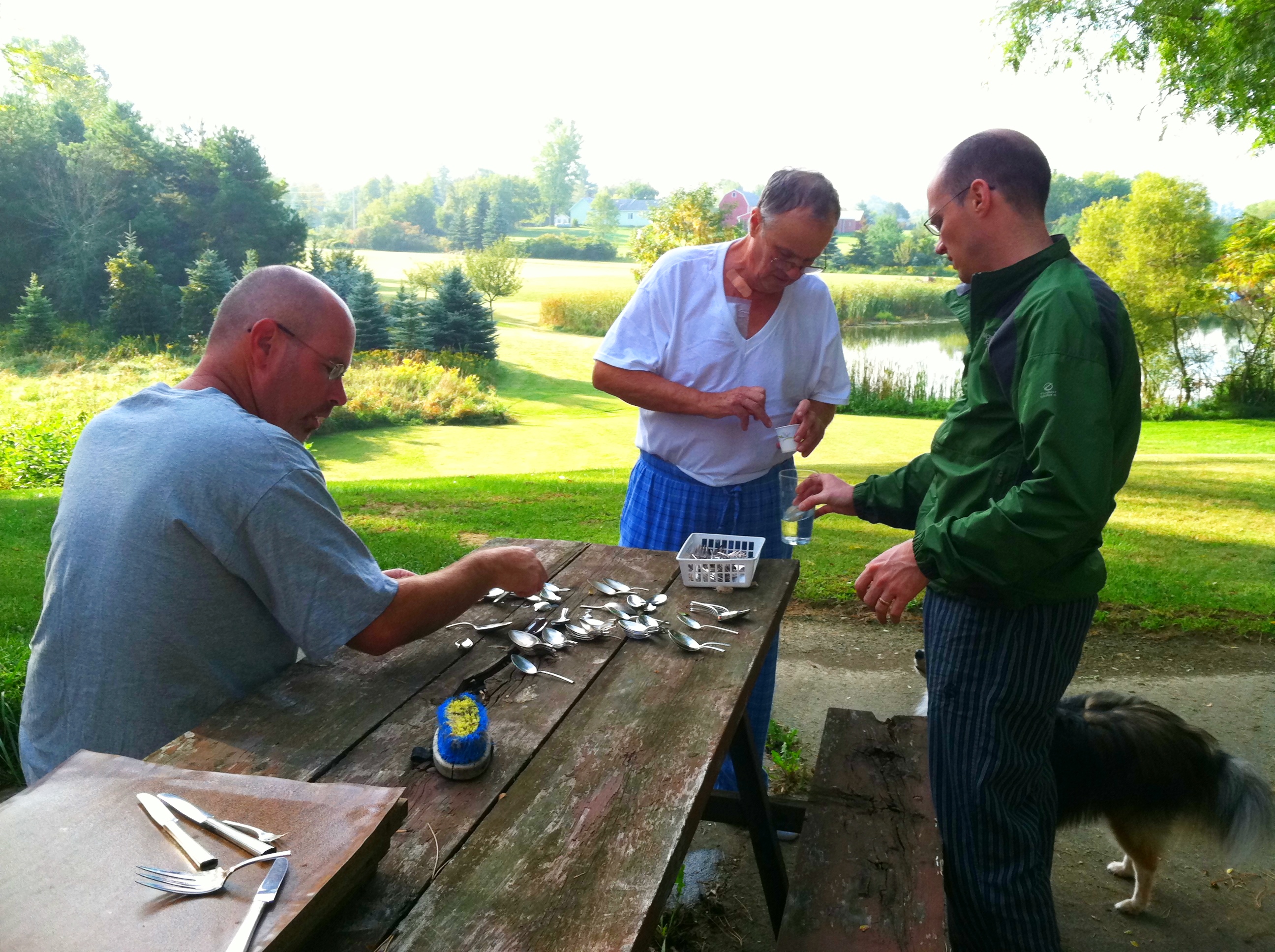 As my dad’s cancer continued to grow in early October, we believe it invaded his brain and bones as well as his lung cavity. At Mayo Clinic, he had a pain pump installed to deal with the pain that was ravaging his body. After a short stay at a local hospital, he became very dehydrated. His pain pump stopped working effectively as the pain medication could not travel throughout his body without fluids. This dehydration brought us back to another emergency room.
The doctor at his pain clinic had told us why the pump wasn’t working as effectively and why my dad was in such horrific pain. As we sat in the office, my dad agreed with my sister and I to go to the local emergency room. He excused himself to the restroom and then had a breakdown. He was so exhausted, so tired. He had fought this cancer with such a valiant effort and in that moment, he suddenly realized he was dying. It was one of the more painful moments in my life. He looked up and asked my sister and I if that was indeed what was happening, and I couldn’t lie…all of the things we didn’t want to see, didn’t want to admit, were staring us in the face…his life was coming to an end and we couldn’t stop it. He started to sob, which my dad didn’t do all that often. We were all crying, but you could hear in his wails the sadness of having to come to terms with something he didn’t want to accept.
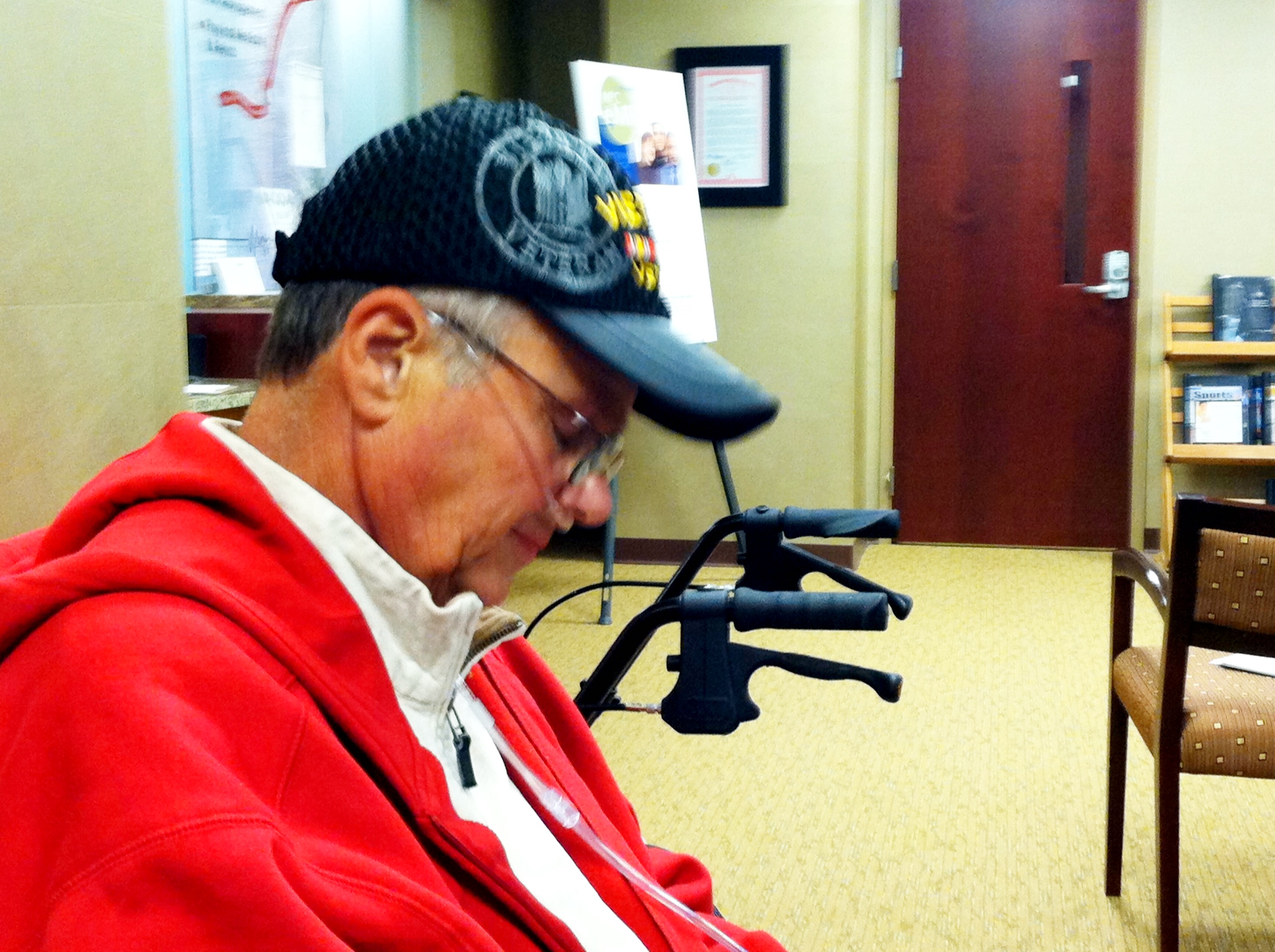 Later as I came along his bedside in the ER, I reached over to touch his arm. Without even thinking, I said, “It’s going to be okay, dad.” My dad looked up at me and said, “It’s not okay; it’s not okay, Michelle.” And there was that lesson. So alarmingly clear. I realized in an instant that it truly wasn’t okay…nothing about it was okay. In my fear and my desire to avoid the pain of losing him, it was easier to say it was going to be okay even though it wasn’t the truth. My dad didn’t want to die. None of us wanted him to go. His pain wasn’t okay; it was terrible. His cancer was winning. Nothing about that moment, or the moments ahead, was okay.
Over the last several years, I have been researching and studying trauma. One of the things that I have gleaned is that you can’t gloss over it. When it happens in your life, sickness and disease are sure to come when you pack it away to be reviewed later or when you file it in the “I refuse to look at it” folder of your brain. The words “It is not okay” resonated loudly to me inconjunction with that research…that to embrace the truth of the situation was so more real, more validating than pretending in the midst of the face of death that it wasn’t there.
 For the remaining four days of my father’s life, I found myself absentmindedly repeating those same stupid words. They would spring out of me before I could even reel them back in. My dad, at that point, couldn’t speak anymore. I would quickly recover with the acknowledgment that “Everything isn’t okay, dad. I am sorry for those words.” As the end drew nearer and God came closer, I would add “But soon, it will be.”
After he passed, I was left with the reminder of how strongly it was rooted in me…the need to say that everything was okay. I could see it on the faces of those who came to mourn with us. While they gave their polite and caring nod to our grief, you could see in their eyes that they really wanted to see, hear, and know that “everything is going to be okay.” In my personal life, I found myself saying the same things to strangers and friends alike when right below the surface, I didn’t feel okay.
 Then I thought of all God had taught me and my dad’s stinging words, and took a deep breath. My life isn’t okay, even if that is hard for someone else to hear. There is a beauty and realness in those words. There is less of a struggle and more freedom in that acknowledgment. The pretension goes away and the expectations of others lighten. While I know someday it will be better, I don’t want to pretend anymore when it is not. I want to be real. I want to have the courage and strength to say “It is not okay” even when it exposes my vulnerability, even when it is difficult, and most of all, when it allows me to process through instead of avoid that which is painful.
And it seems everywhere I turn as of late, that is sticking out to me. The desire of so many to gloss over difficult things, to demand that others suck it up–“be tough”, to look the other way when the pain of another’s situation is more than you can do anything about. It is in these moments that I remember God’s Words to Paul:
“Three times I pleaded with the Lord to take it away from me. But He said to me, ‘My grace is sufficient for you, for My power is made perfect in weakness.’ Therefore, I will boast all the more gladly about my weaknesses, so that Christ’s power may rest on me. That is why, for Christ’s sake, I delight in weaknesses, in insults, in hardships, in persecutions, in difficulties. For when I am weak, then I am strong.” 2 Corinthians 12:9-10
 I know God is encouraging me through this lesson to learn to admit when things are less than perfect. To be able to utter the words that everything is not okay when that is the reality. So I am taking a deeper look at everything. I am listening to myself when I find inwardly I am cringing or feeling fake about what I am saying. I am opening up my heart and asking God to help me see where things really aren’t okay. Why? Because it will be with God’s guiding hand and my willing heart that I will be able to acknowledge those areas that are indeed weak so that God in His strength can bring healing, resolution or the peace of being able to let go. It is in His strength where I can admit my hardships, weaknesses, and difficulties so that I may find true healing…His healing. It is there where it will truly become okay.
Postlog: As this post came to me, I was sitting in the parking lot of a coffee house listening to a CD by Tenth Avenue North. I had been pondering this lesson for awhile and the song “Any Other Way” came on. I had listened to that CD a bunch of times before but had never heard this song. Please take a moment to listen. It is amazing that God speaks to so many of us about this very issue…the truth of our lives is so important to Him as well as His desire for us to truly heal from that which pains us. I know there will be more to be learned and more moments of grace. May His love find you broken and longing for His healing touch.
A short video by the songwriter (click on the arrow button in the middle of the picture to play the video):
The Song:
 Washing My Windows